Fragile Balance (Danger)
Accompanying program
13.02.2026 6 pm > Guided tour in Hungarian„A well-chosen slogan turns into an act.” Miklós Erdély says in an interview.[1]
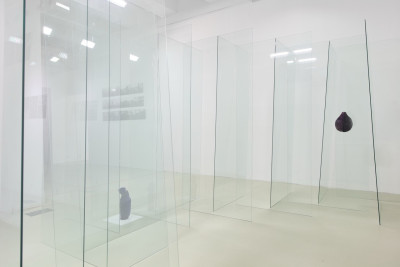
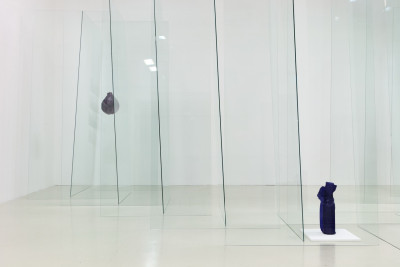
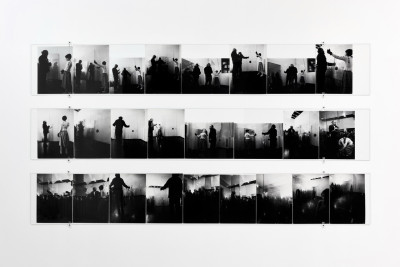
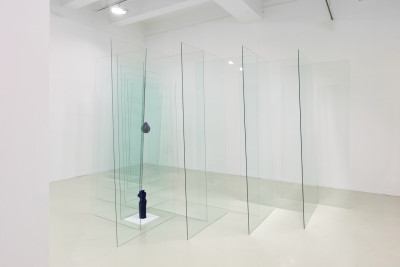
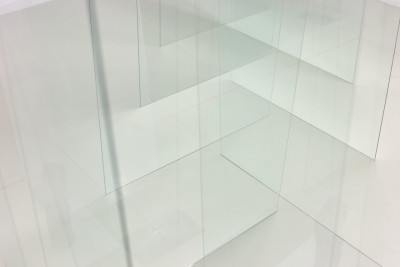
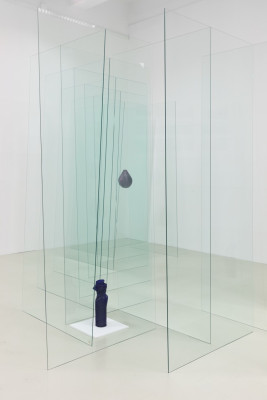
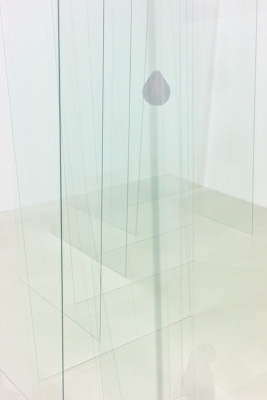
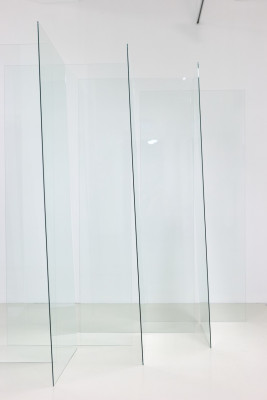
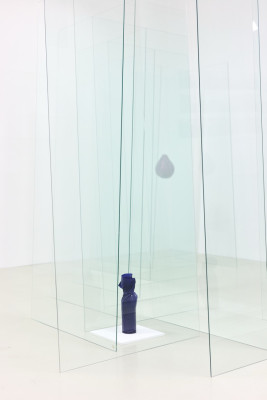
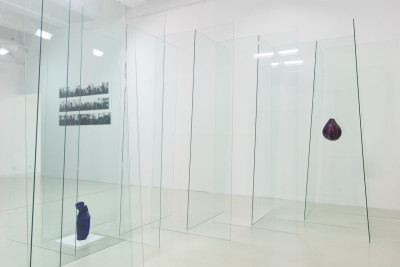
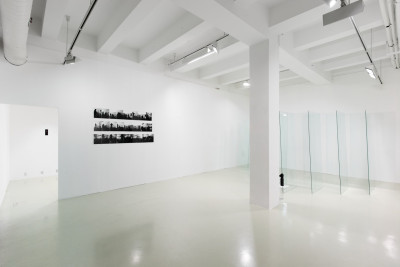
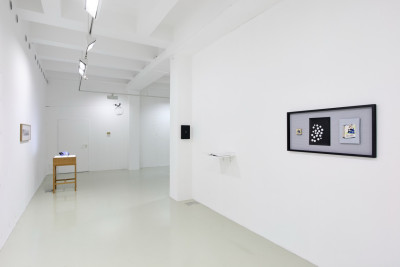
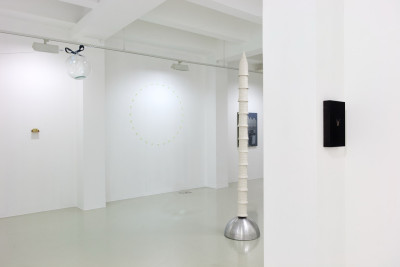
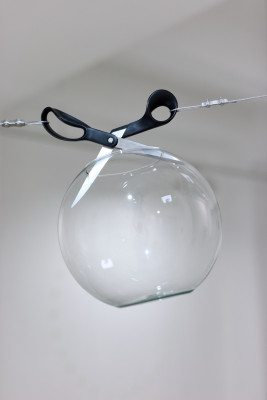
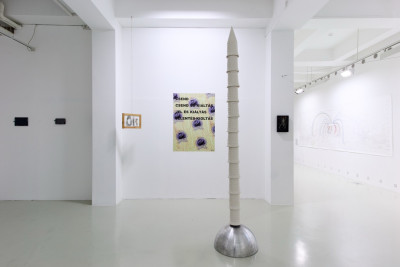
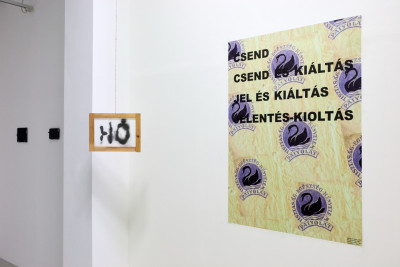
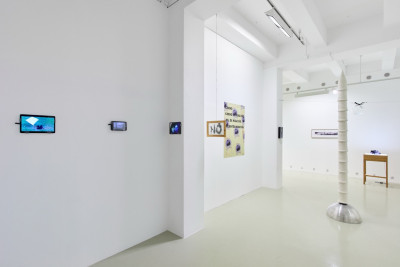
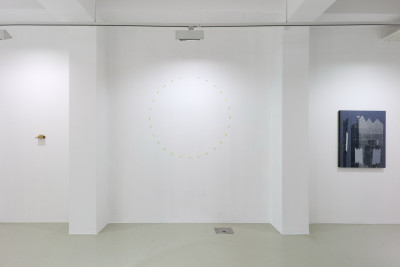
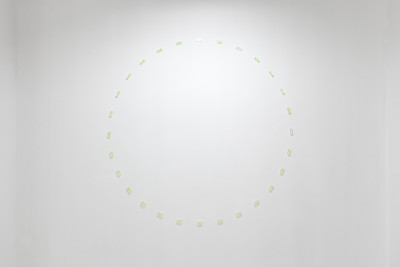
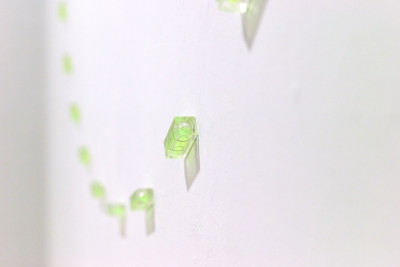
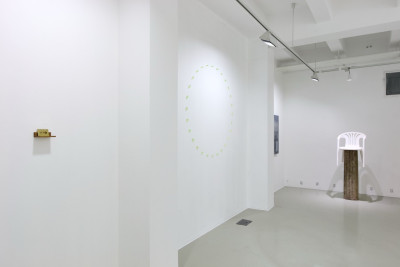
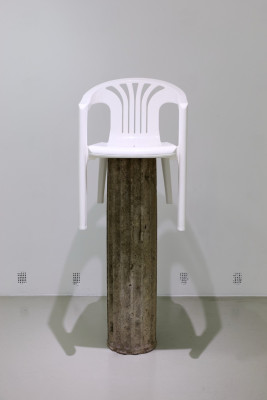
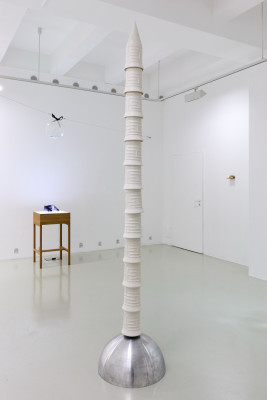
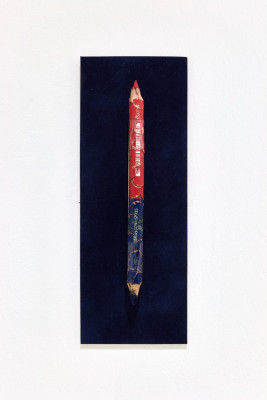
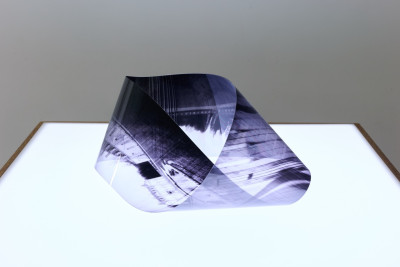
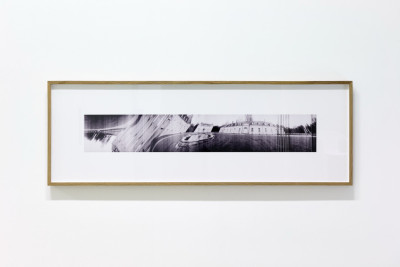
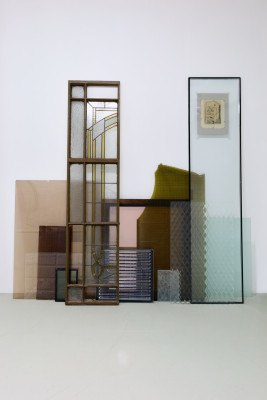
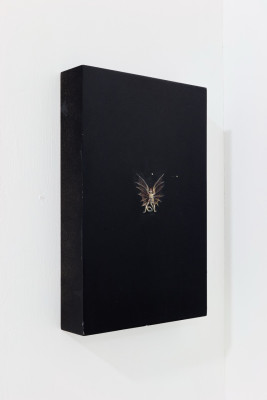
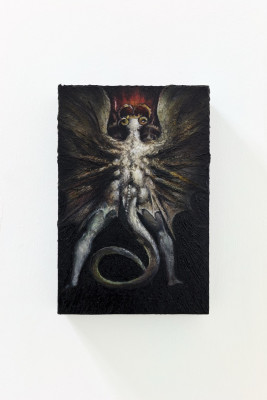
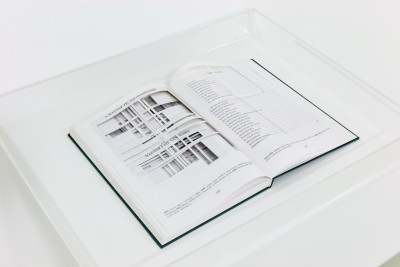
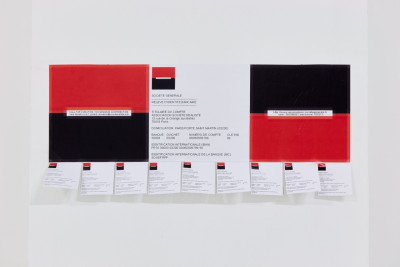
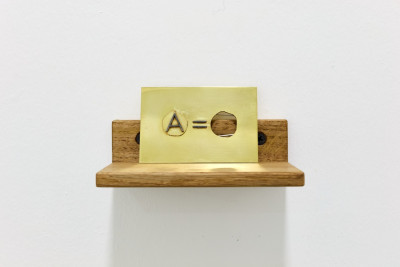
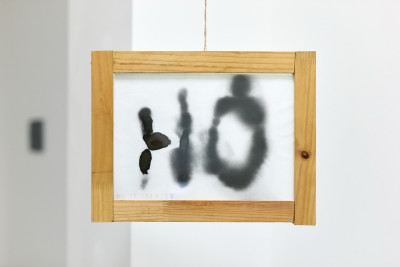
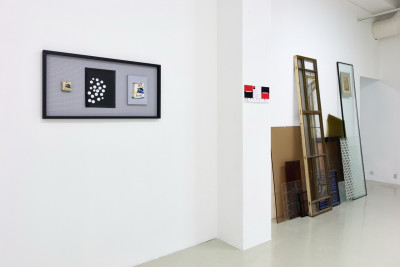
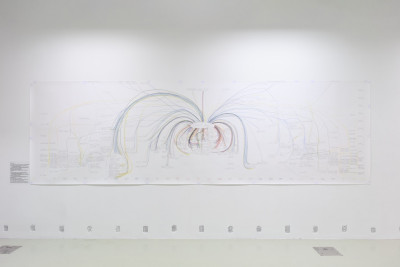
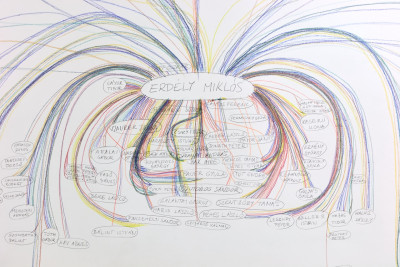
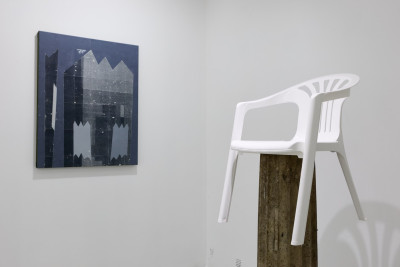
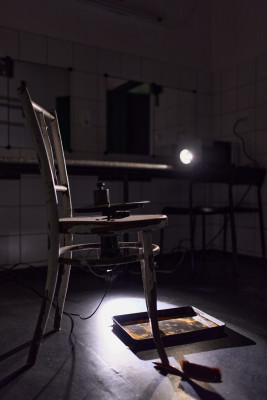
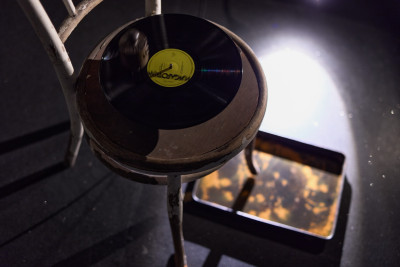
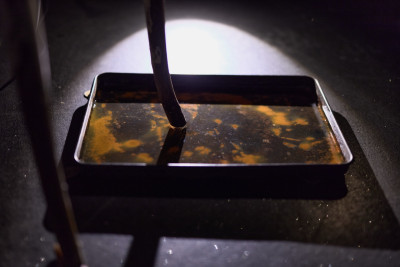
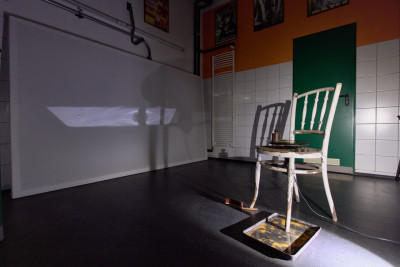
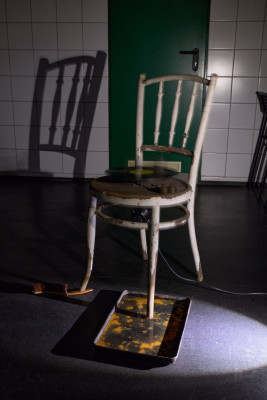
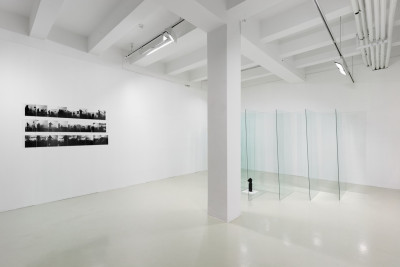
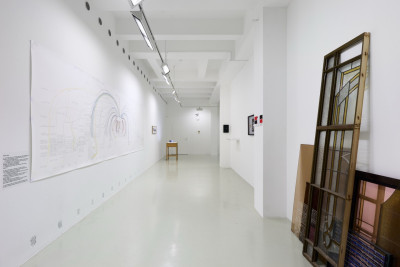
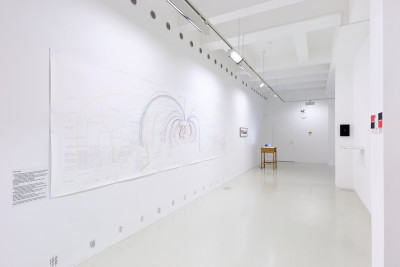
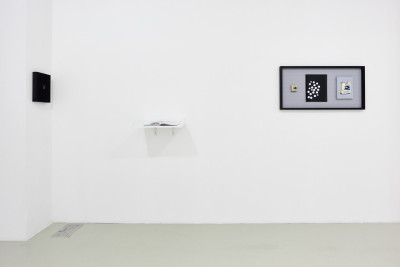
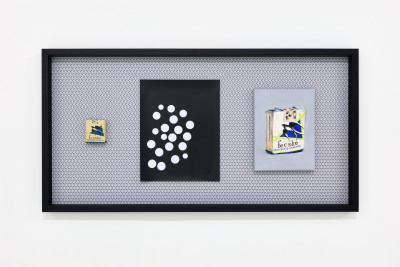
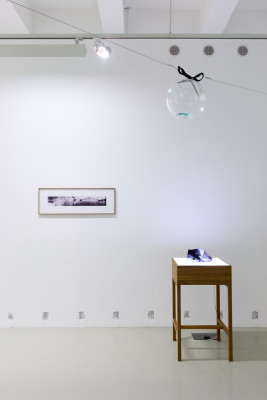
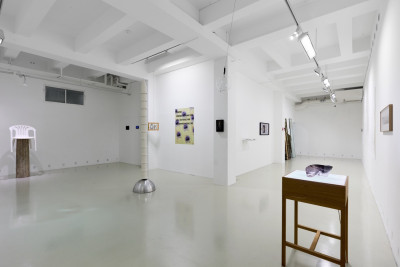
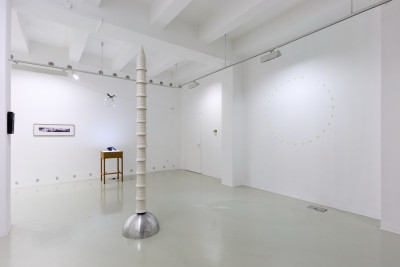
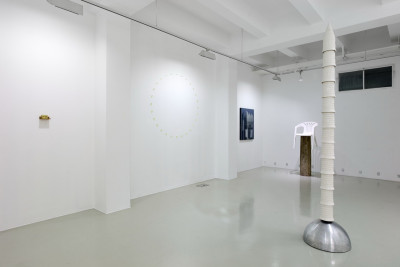
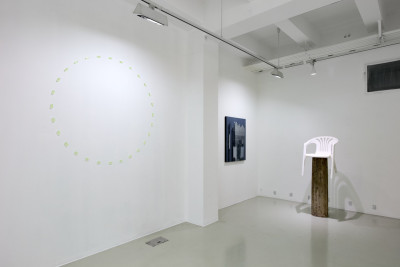
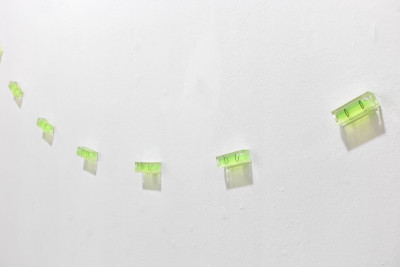
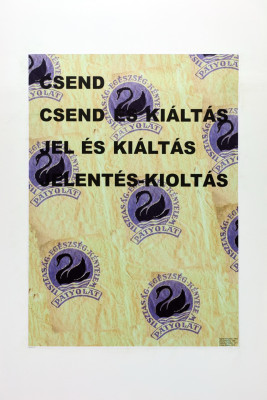
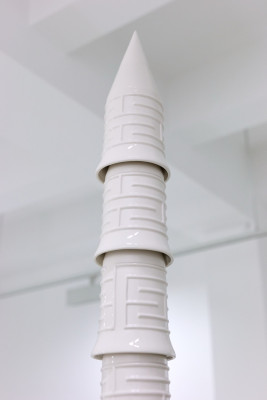
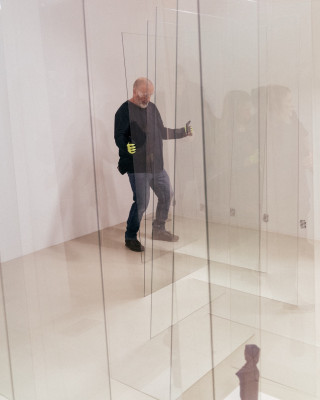
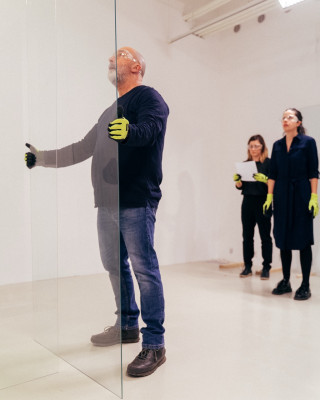
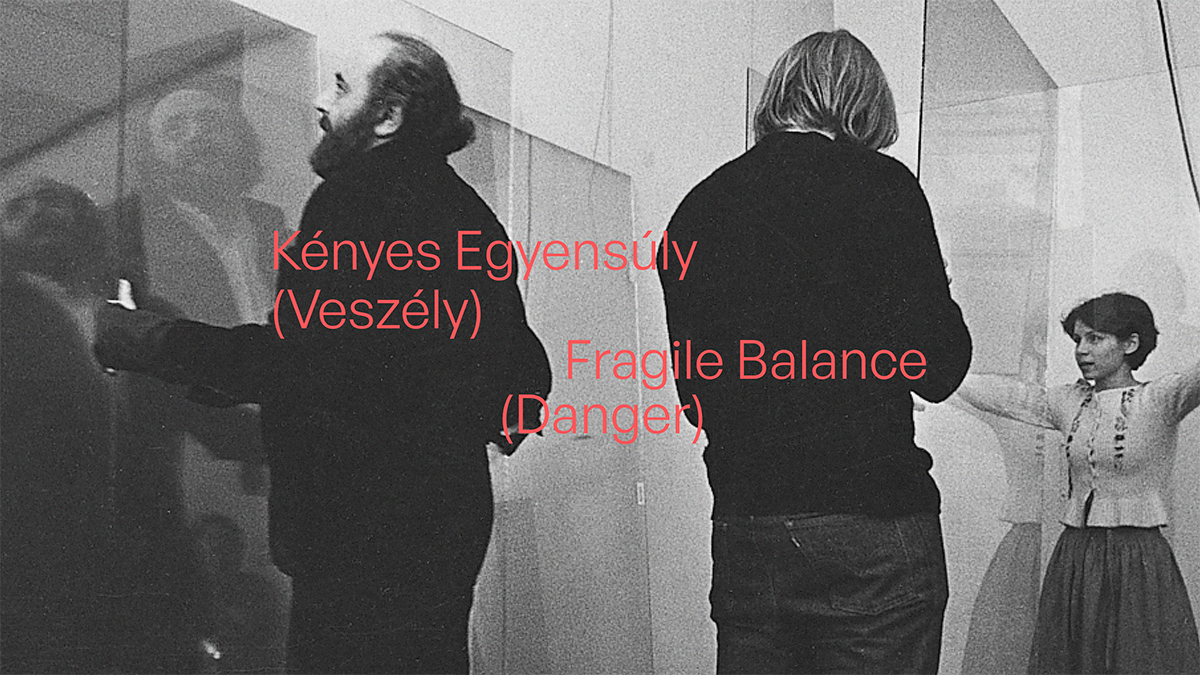
In this sense, in a manner similar to a motto or a slogan, the exhibition aims nothing more than to call attention to the most monumental work of Miklós Erdély’s glass-based installations: the environment Fragile Balance (Danger), originally shown in Kraków in 1981. Beyond this, and through this, the exhibition attempts to dislocate the art of this remarkable artist of the Hungarian and Central-Eastern European neo-avant-garde from the position that weighs heavily on it, rendering it untouchable and thus invisible. By presenting contemporary artworks that reflect on Miklós Erdély's intellectual and artistic legacy, the exhibition also examines how his intellectual legacy continues to live on today.
Each element of the exhibition can therefore be understood as an experiment with an uncertain outcome, addressing questions such as whether an artwork so deeply dependent on the artist’s personal presence can be reconstructed at all – particularly when its realization is not only uncertain but explicitly dangerous; how does an artwork that was originally presented in Poland in 1981, just one month before the declaration of the Martial law, resonate with today’s social and political realities; and whether Miklós Erdély’s intellectual and artistic legacy can still be activated today.
In 1981, a few months before the realization of the environment, Erdély stated in a lecture given at the Department of Aesthetics at Eötvös Loránd University in Budapest that the revolutionary energies associated with the neo-avant-garde movement, which reached their peak around the student uprisings of 1968, had since significantly subsided. “...only a single faint tremolo – let’s call it that – can still be heard, the thinning operation of the post-neo-avant-garde. Yet this faint tremolo casts doubt on whether the musical piece has truly come to an end.”[2]
In 1981, Erdély saw this tremolo, this thinning of art – as only a temporary condition. He believed that, over time, this state could be overcome, “…the ingenuity of necessity will somehow find a way around it, will eventually arrive at the possibility of contact with what is essential, and whatever has become obsolete will lose its validity in the light of – or at least in the hope of – some new revelation.”[3]
While it remains uncertain whether the promising future envisioned in the Optimistic Lecture has arrived already; what can nevertheless be stated with confidence is that the faint pulse of that tremolo can still be heard today.[1] Sebők Zoltán: Új misztika felé – Beszélgetés Erdély Miklóssal – HÍD (Novi Sad) 1982/3. 366. o. https://artpool.hu/Erdely/sajto/Sebok.html
[2],[3] Erdély Miklós: Optimista előadás, 1981. In: Tartóshullám. A Bölcsész Index Antológiája. Budapest, 1985. 143-149. Újraközölve In: E. M.: Művészeti írások (Válogatott művészetelméleti tanulmányok I.). Szerk.: Peternák Miklós. Képzőművészeti Kiadó, Budapest, 1991. 133-147.