Cooking Sections / Daniel Fernández Pascual & Alon Schwabe (UK/ES/IL)
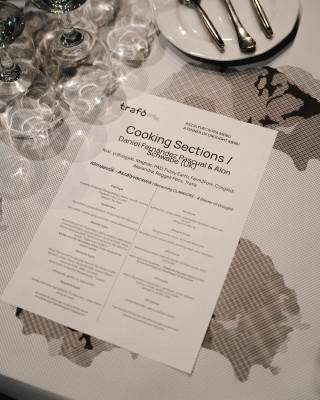
Becoming CLIMAVORE - A Dinner of Drought feat. yo8vagyat, Magház, PAD, Fuzzy Earth, Farm2Fork, Reggeli (Pécs), Trafik
Day pass: 6900 HUF
Discounts available
The day pass is valid for all events on the given day. For performances with limited capacity, please reserve the time slot of your choice.
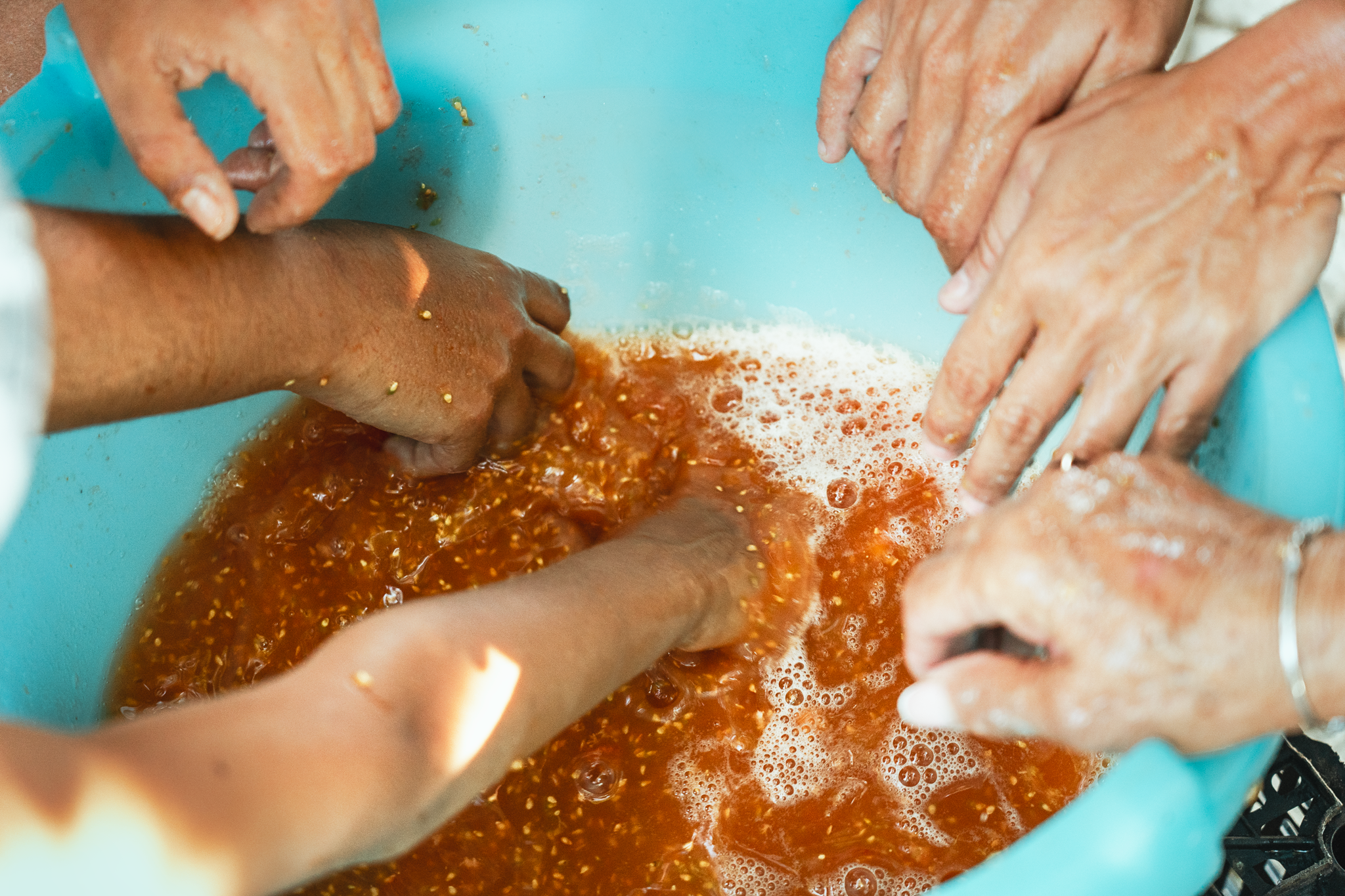
Eating: An Interiorized Landscape. How does what we eat as humans alter climates and how can we reimagine the role of cultural institutions as agents of change in times of climate crisis? Over the past months the internationally renowned collective Cooking Sections has been collaborating with local artists, farmers, researchers, and chefs to explore some of the most pressing ecological challenges affecting local ecosystems in Hungary. As part of The End of Violence focus, they invite us to a lecture performance and a special Drought Dinner, conceived and prepared together with their local partners-in-crime, including yo8vagyat, Magház Network, PAD Foundation, and Trafik, Trafó’s café.
The kick-off event of Cooking Sections' long-term, research-based project Becoming CLIMAVORE offers a first taste of the artistic research, which will run throughout Trafó's 2025/2026 season. Its goal is to make Trafó’s café 'climavore', following the example of institutions such as Tate Modern and the Serpentine Galleries in London.
With droughts, water scarcity, desertification, soil erosion, and crop failures intensifying year after year, the urgency of ecological sustainability in Hungary is becoming ever more pronounced. The climate crisis is transforming not only the familiar rhythm of the four seasons, but also the very cycles of agricultural production. This shifting ground forms the point of departure for Becoming CLIMAVORE, an ongoing project by the London-based collective Cooking Sections. The work calls for a radical reconfiguration of agricultural practices and food culture, introducing new ‘seasons’ as both conceptual and practical frameworks—at once foregrounding pressing ecological crises and probing the regenerative strategies and alternatives that might respond to them.
From Polycrisis to Polyopportunity
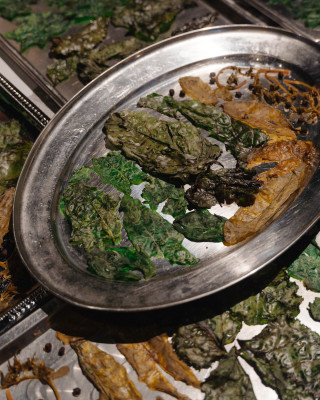
What should we eat in times of drought? What might a meal composed of ingredients resilient to rising heat and diminishing water look like? While foregrounding the crises brought about by climate change, Cooking Sections and their local collaborators also stress the oppportunities it creates: milder winters extend growing cycles and there is also abundance in conditions of drought—if we know where and how to look for them.
Lecture Performance and Community Dinner
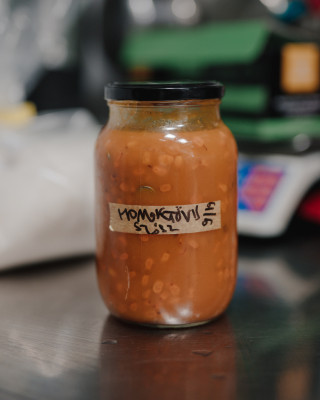
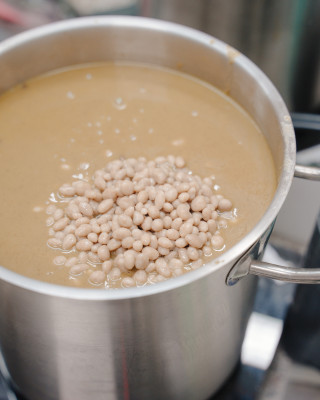
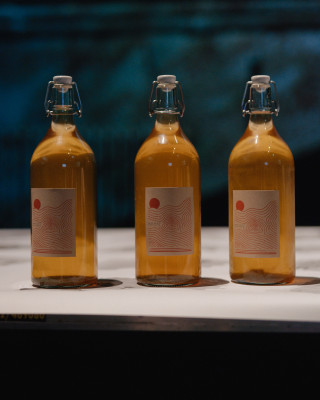
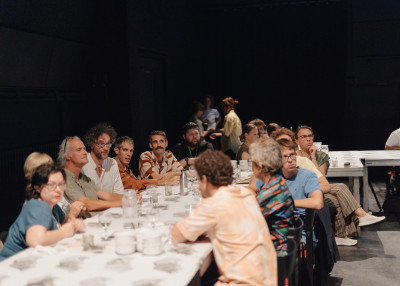
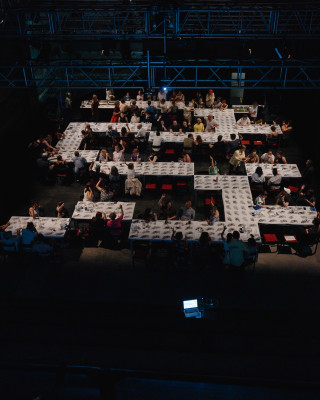
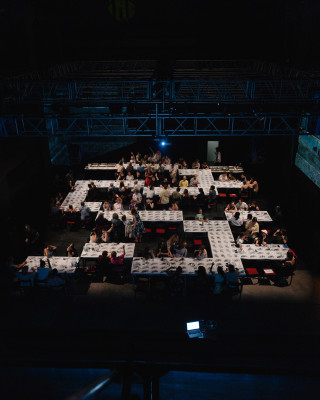
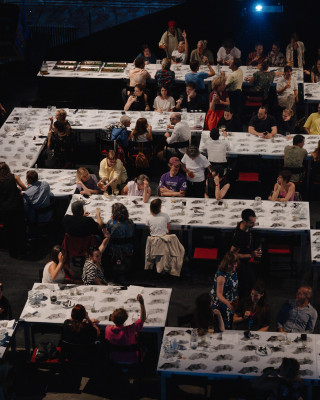
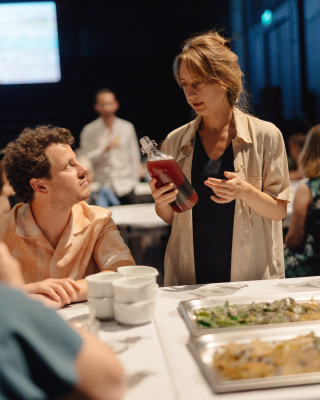
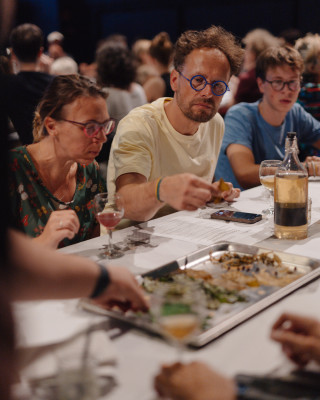
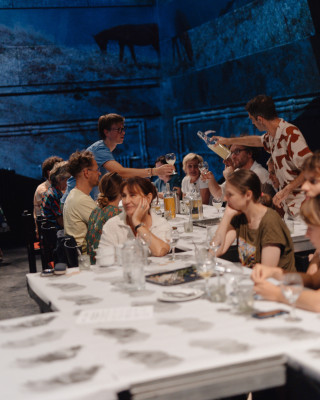
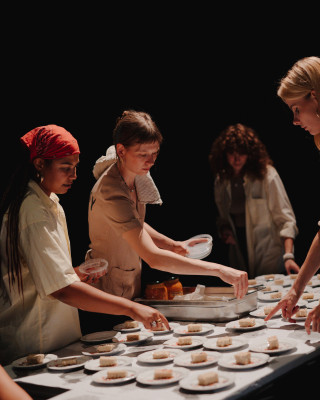
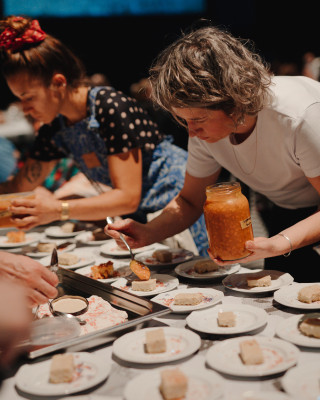
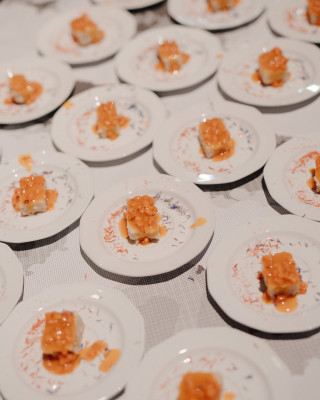
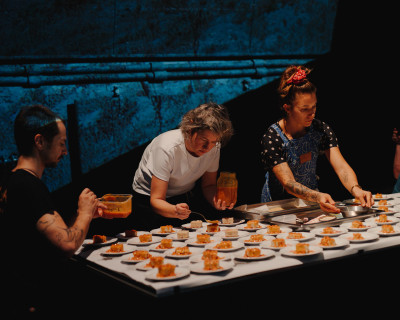
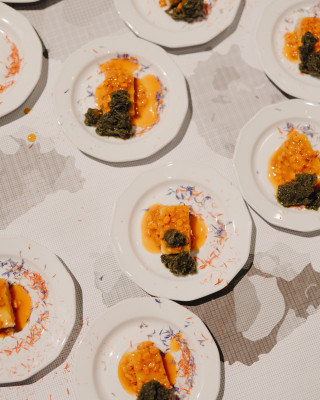
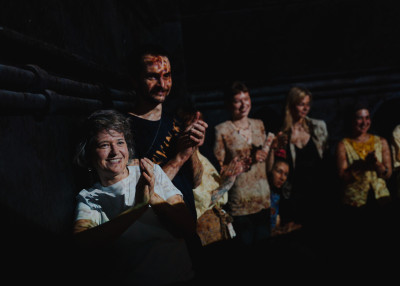
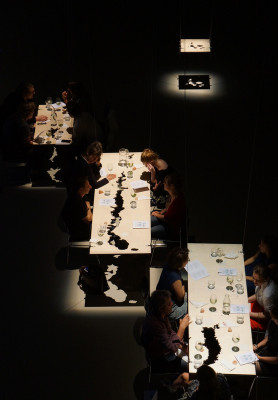
Following a newly developed lecture performance highlighting Cooking Sections’ practice and methodology as well as previous iterations of Becoming CLIMAVORE, the audience is invited to a communal Drought Dinner, offering a selection of foods and drinks attuned to shifting climatic realities, while introducing the project’s partners and amplifying their perspectives on local ecological challenges and possible regenerative responses. This research will unfold across Trafó’s 2025/2026 season, with the long-term ambition of transforming Trafó's café and introducing a more resilient climate-conscious practice favouring regenerative ingredients and methods in the institution's gastronomy.
For Cooking Sections, cultural institutions are not merelys platforms for artistic presentation, but infrastructures that are embedded within and in constant exchange with broader ecologies. Food services are understood as vital organs of the institution’s body. Over the past decade, the collective has worked with leading art organizations—including Tate Modern and the Serpentine Galleries—to reimagine their catering through the lens of sustainability and climate responsibility. Trafó, together with Trafik, its café, now joins this evolving constellation of CLIMAVORE institutions.
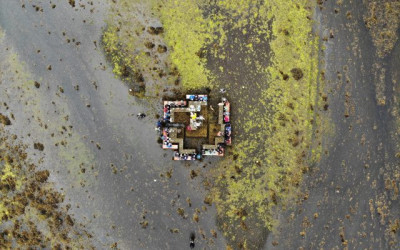
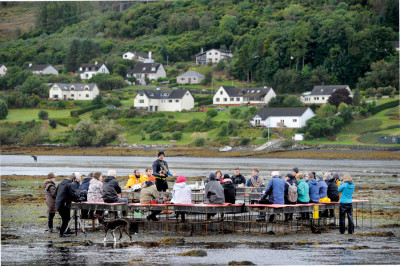
Initiated in 2015, Becoming CLIMAVORE charts new human-made ‘seasons’ defined by the ecological crises of climate change and industrial food systems. Moving beyond conventional dietary categories—vegetarian, vegan, local—CLIMAVORE recasts eating as a cultural, social, and ecological practice. In recent months, the collective, alongside local research partners, has delved into the most pressing (agro)ecological challenges in Hungary and the regenerative methods, ingredients, and community-driven approaches that might respond to them. How might these practices help to mitigate the crisis? And how might an institution like Trafó position itself as an ally in this transformation?
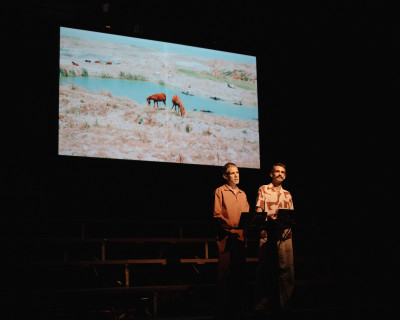
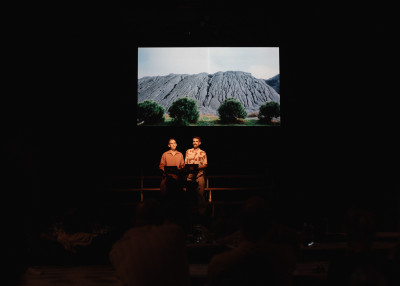
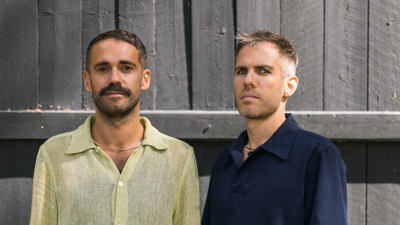
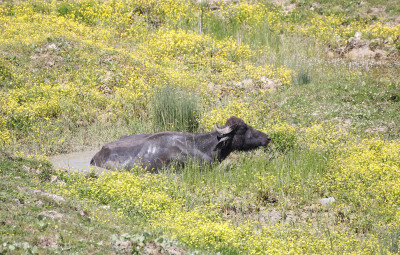
Founded in London in 2013 by Daniel Fernández Pascual and Alon Schwabe, Cooking Sections is an interdisciplinary collective that uses food as both a lens and a tool to trace the metabolic relations behind industrialised food systems and the reciprocal ways in which humans and ecologies shape one another. Their site-specific installations, performances, and publications confront the overlapping boundaries of art, architecture, ecology, and geopolitics by investigating the systems that shape the world through food, tracing the spatial, ecological, and political legacies of extractivism.
Since 2015, they run CLIMAVORE, a long-term, site-responsive project, exploring how to eat as humans change climates and how to metabolise climate breakdown.The project investigates the entanglements of climate change and food systems, exploring how shifting environmental conditions demand new modes of cultivation and consumption. Cooking Sections’ work has been presented at leading institutions worldwide, including Tate Britain and Serpentine Galleries (London), SALT (Istanbul), Bonniers Konsthall (Stockholm), Carnegie Museum of Art (Pittsburgh), Lafayette Anticipations (Paris), HKW (Berlin), Delfina Foundation (London), as well as the Taipei Biennial, the 58th Venice Biennale, the Shanghai Biennale, the Los Angeles Public Art Triennial, the Sharjah Architecture Triennial and Sharjah Biennial, Performa17 (New York), Manifesta12 (Palermo), the Folkestone Triennial, and the New Orleans Triennial.
In 2021 they were shortlisted for the Turner Prize. They received a Special Mention in the 2019 Future Generation Art Prize, and their socially engaged practice has also been nominated for the Visible Award.
Concept, lecture performance: Cooking Sections (Daniel Fernández Pascual, Alon Schwabe)
Contributors of the Drought Dinner, researchers: Vera Vida (yo8vagyat), Katalin Réthy (Magház Network), Diána Berecz, Barnabás Kovács (PAD Foundation), Fuzzy Earth (Tekla Gedeon, Sebastian Gschanes), Alexandra Czeglédi (PTE), Dávics Felcser / Tamás Szép (Reggeli, Pécs), Fuzzy Earth (Gedeon Tekla, Sebastian Gschanes), Boldizsár Horváth (Farm2Fork), Trafik
Additional contributors to the research: Luca Bródy (Herstory Collective), Hajnal Gyeviki (visual artist)
Research, artistic collaboration (Cooking Sections): Max Cooper-Clark
Research, coordination (Trafó): Borka Csejdy, Katalin Erdődi, Judit Szalipszki
Sponsors, Supporters:
Co-production: Trafó House of Contemporary Arts
Supported by: STAGES (Sustainable Theatre Alliance for a Green Environmental Shift), funded by the European Union's Creative Europe programme.
Így néz ki egy kiadós aszályvacsora – újfajta növények az enyhébb telekre, felértékelődött hazai termények. Józsefváros Újság / Csakugyan podcast Szalipszki Judittal (Trafó Galéria) és Vida Verával (yo8vagyat), az Aszályvacsora közreműködőivel.
 |
Creative Europe |
 |
S.T.A.G.E.S. |
 |
Miniszterelnökség |

















Nosalty / Hering András: „Az aszályvacsora nemcsak egy rendhagyó gasztroélmény volt, hanem egy figyelemfelhívás is: hogyan alakíthatjuk át étkezési szokásainkat úgy, hogy azok a jövő kihívásaihoz alkalmazkodjanak.”