Becoming CLIMAVORE / Farm2Fork - Nóra Berta (Trafik) - Zsófi Mautner (food writer)
Tropical Hungary - Summer in Winter
4,900 HUF (full price)All discounts and Trafó pass are valid.
Limited capacity: max. 25 peopleThe ticket price includes the discussion, the tasting and the dessert.
Afner the great success of the Drought Dinner in September 2025, the Becoming CLIMAVORE research continues at Trafó, with the long-term aim of making the institution’s gastronomy more responsive to local and global climate emergencies. On 15 January, we will focus on ‘tropical Hungary’: local producers who, in response to changing climate conditions, have started cultivating fruits traditionally farmed in southern or tropical regions, such as lemon, ginger, and papaya.
We will explore this exciting new tendency with produce tasting, a conversation with invited farmers and a special dessert made from tropical ingredients.
By and with: Boldizsár Horváth (Farm2Fork); Szőrös and Kisjuhász Farm (lemon, Lajosmizse); Attila Gyuris (ginger and papaya, Zsombó); Ferenc Iglódi (papaya and other rare fruits, Cserkeszőlő); Nóra Berta (pastry chef, Trafik), Zsófi Mautner (food writer)
In collaboration with the Hungarian Farm2Fork network, we have invited three producers - Attila Gyuris, Ferenc Iglódi, and the Szőrös and Kisjuhász Farm - to talk about their work and offer tastings of their produce. They will be in conversation with agronomist Boldizsár Horváth, founder of Farm2Fork and food writer Zsófi Mautner (Chili & Vanília), with whom they will discuss the challenges, sustainability, and long-term viability of cultivating so-called “exotic” fruits in Hungary. The farmers will also share their knowledge and practical tips on preservation: we can try how they preserve and process their produce as part of the tasting. Nóra Berta, the much-loved vegan and free-from pastry chef of Trafik (Trafó’s café) will prepare a special dessert for everyone, using the tropical ingredients provided by the farmers.
Trafó launched the research project Becoming CLIMAVORE with the London-based artist collective Cooking Sections, who started working on making art institutions and their gastronomy ‘climavore’ – adapting to the new ‘seasons’ of climate crisis – in 2015. Trafó’s long-term aim is to transform its gastronomy during the 2025/2026 season and to share the knowledge and experience gained through this process in a series of public events.
More information: https://becoming.climavore.org/
In January, following the season of drought, the research addresses another phenomenon emerging as a consequence of climate change: the appearance of fruits associated with more southern, tropical climates in Hungarian agriculture.
Tropical Hungary: Summer in Winter
In recent years, a growing number of producers in Hungary have begun cultivating plants such as ginger, lemon, papaya, olive, tea, and other fruits traditionally associated with southern or tropical climates. While these experiments are partly responses to changing climatic conditions, they also raise critical questions. Is the long-term cultivation of tropical fruits a sustainable direction? What economic, energetic, and ecological conditions does such a shift require? How do these plants integrate into local ecosystems, and what impacts do they have on soil health, water use, and agricultural labour? How can these fruits be incorporated into Hungarian gastronomy, and what culinary possibilities are opened up by the fact that these exotic ingredients are becoming available in our country as well?
Combining knowledge-sharing, produce tasting, and an exchange of experiences between farmers, food bloggers and pastry chefs, the event will start with an introduction by Boldizsár Horváth, who presents concrete examples of the practical opportunities and challenges of domestic cultivation, consumer demand, and the limits of what tropical fruit production can - and cannot - address within Hungarian agriculture.
This is followed by first-hand accounts from the invited producers, who discuss how and why they began cultivating plants from distant climatic zones, and the challenges, surprises, and lessons encountered along the way. They will also share how preservation, processing, and storage techniques can extend the relatively short growing seasons of these fruits. Preservation methods such as canning, fermentation, and salting are approached not only as culinary practices, but as long-established adaptive strategies in a period of accelerating climatic change.
Their talk will be followed by a produce tasting, where participants can try locally grown ginger, lemon, papaya and further unique fruits, and learn how to preserve them, with the invited producers, pastry chefs and food bloggers sharing their experience.
The event also offers a historical perspective: in the 1950s, several state-led research initiatives and experimental farms in Hungary explored the cultivation of citrus and tropical plants. By placing these early attempts in dialogue with contemporary, climate-driven developments, the event invites reflection on how agricultural utopias recur, transformed or reimagined across different historical periods.
Cover image: Henri Rousseau (1844–1910): Still-Life with Exotic Fruits © Creative Commons
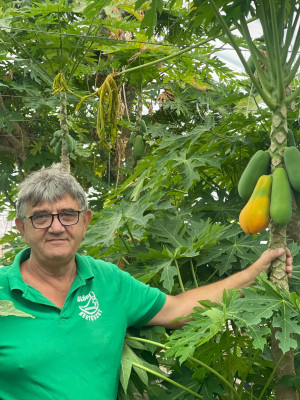
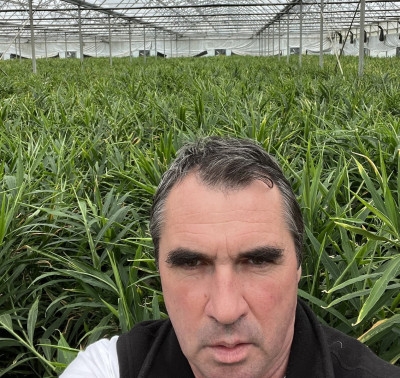
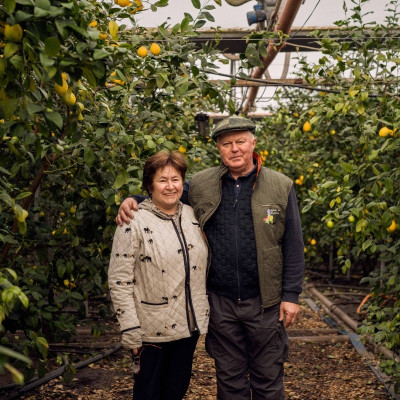
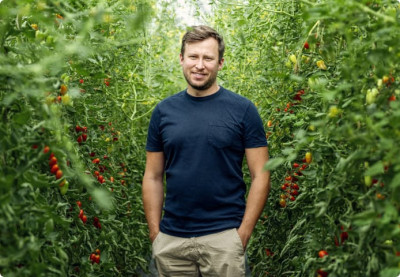
By and with: Boldizsár Horváth (Farm2Fork), Szőrös and Kisjuhász Garden (Lajosmizse), Attila Gyuris (Zsombó), Ferenc Iglódi (Cserkeszőlő), Nóra Berta (pastry chef, Trafik), Zsófi Mautner (food writer)
As part of Becoming CLIMAVORE, an artistic research project by Cooking Sections.
Supported by: STAGES, Creative Europe
Így néz ki egy kiadós aszályvacsora – újfajta növények az enyhébb telekre, felértékelődött hazai termények. Józsefváros Újság / Csakugyan podcast Szalipszki Judittal (Trafó Galéria) és Vida Verával (yo8vagyat), az Aszályvacsora közreműködőivel.
 |
Creative Europe |
 |
Stages |


















Nosalty / Hering András: „Az aszályvacsora nemcsak egy rendhagyó gasztroélmény volt, hanem egy figyelemfelhívás is: hogyan alakíthatjuk át étkezési szokásainkat úgy, hogy azok a jövő kihívásaihoz alkalmazkodjanak.”